

We're on a mission to accelerate textile recycling
Fixing the broken supply chain of textile recycling
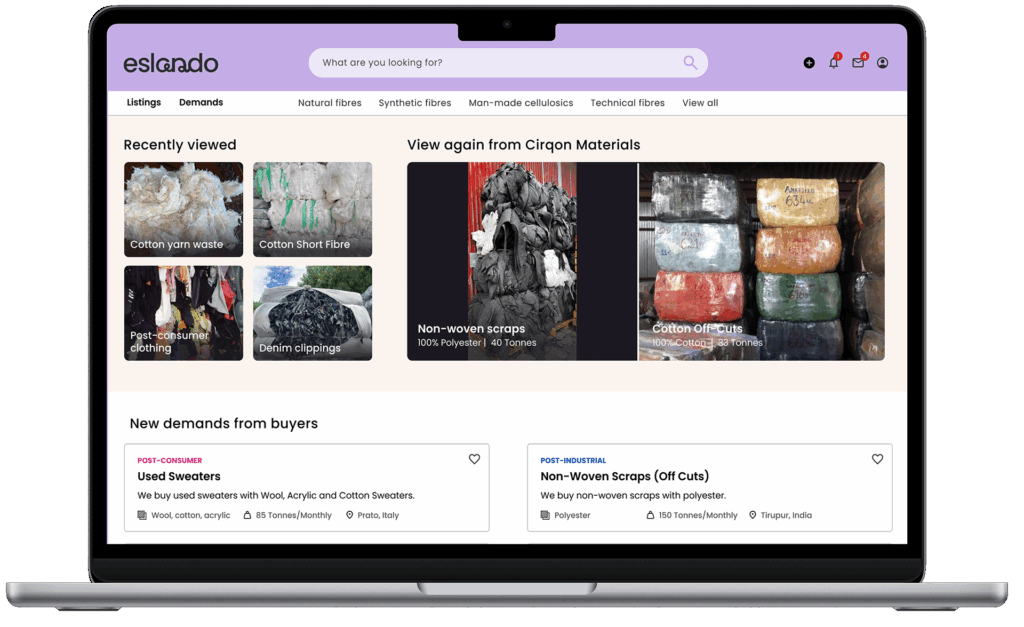
Eslando connects collectors, recyclers and manufacturers to move textile waste into real recycling systems — at scale.
We're on a mission to accelerate textile recycling
Eslando connects collectors, recyclers and manufacturers to move textile waste into real recycling systems — at scale.
Millions of tonnes of textile waste are generated every year, yet most of it never reaches a recycler. Supply is fragmented, demand is hard to access, and there is little transparency across the value chain. Collectors struggle to find reliable buyers, recyclers face inconsistent feedstock, and brands lack visibility into where their waste ends up.
Eslando is fixing this.
We are building the infrastructure for textile recycling — connecting collectors, recyclers and manufacturers through a transparent marketplace that enables efficient trade, better matching of materials, and real circular supply chains at scale.

Find the widest range of high-quality waste textile feedstock from a global network of trusted suppliers. Source efficiently and easily on the Eslando platform.
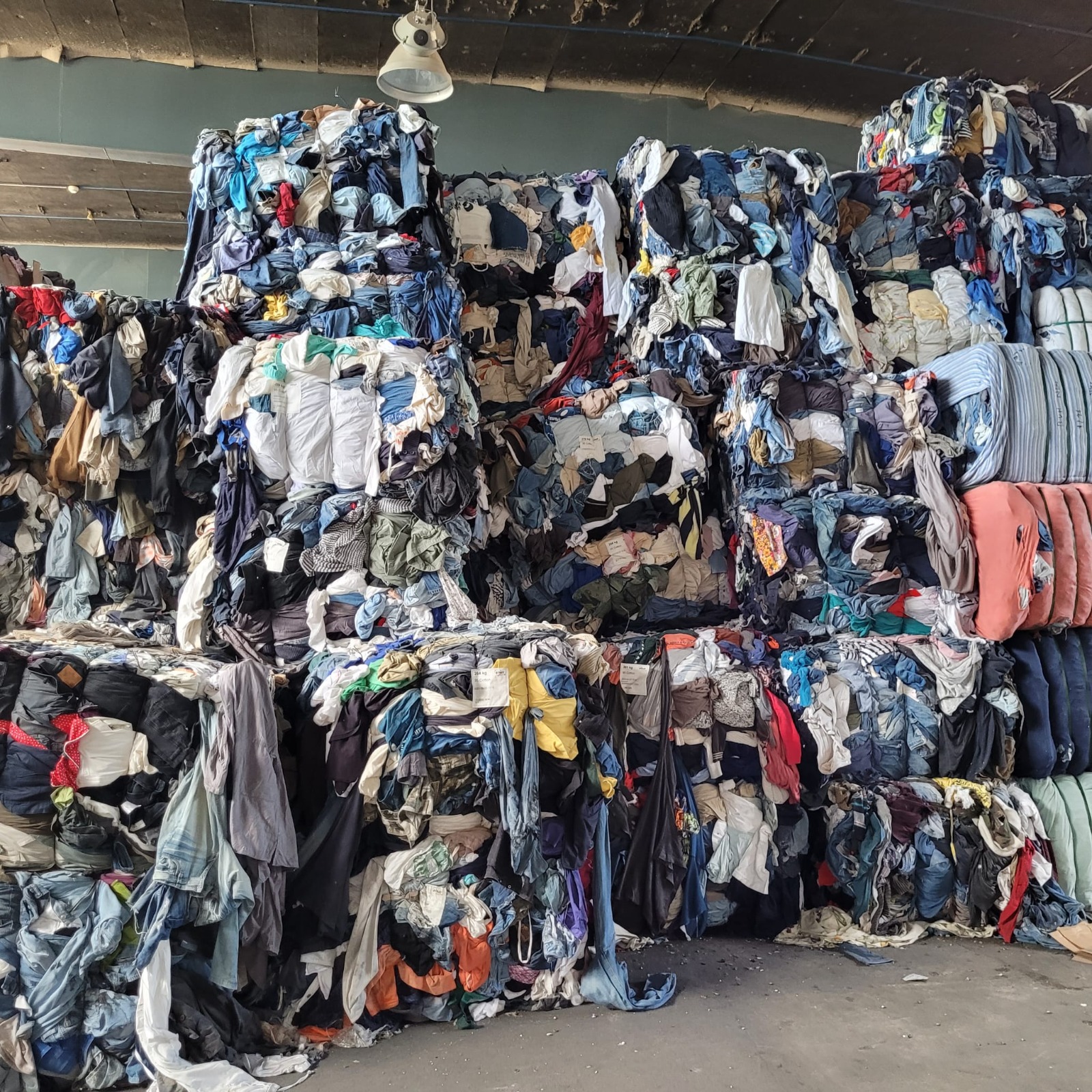
Effortlessly connect with buyers for your waste textiles. Eslando provides a reliable platform to find the right markets and maximise the value of your recovered materials.
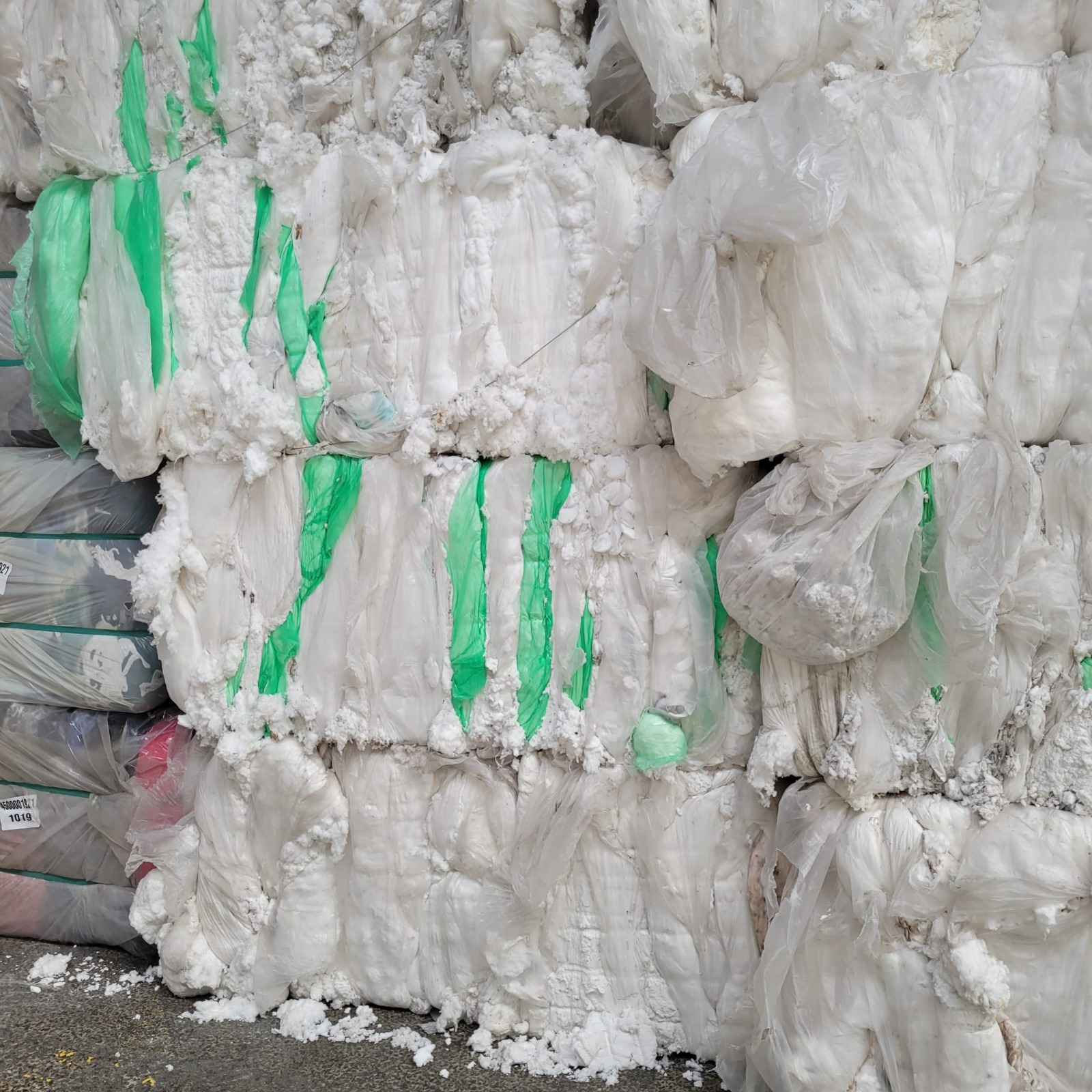
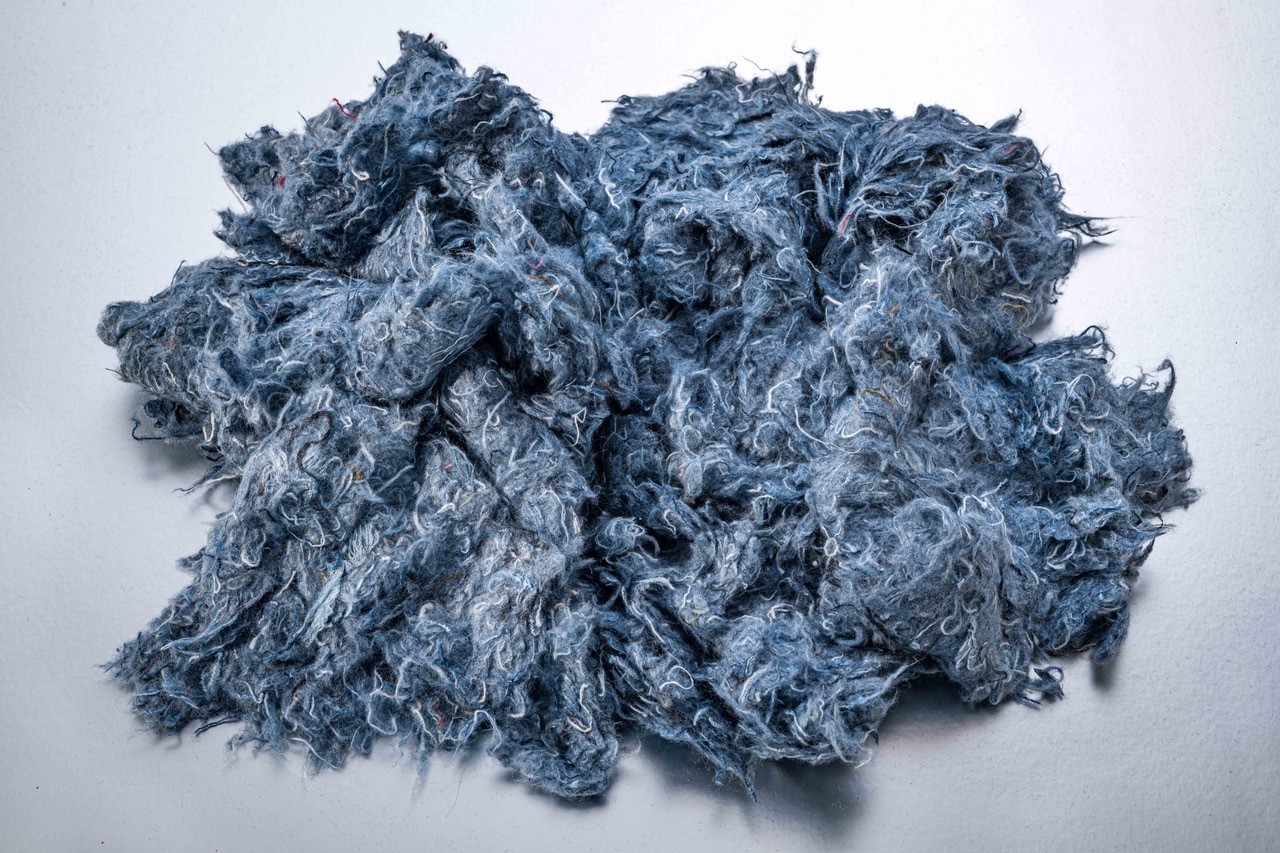
Achieve your net zero goals with Eslando. Trade all types of post-industrial textile waste, from cutting scraps to spinning waste, on the Eslando platform.
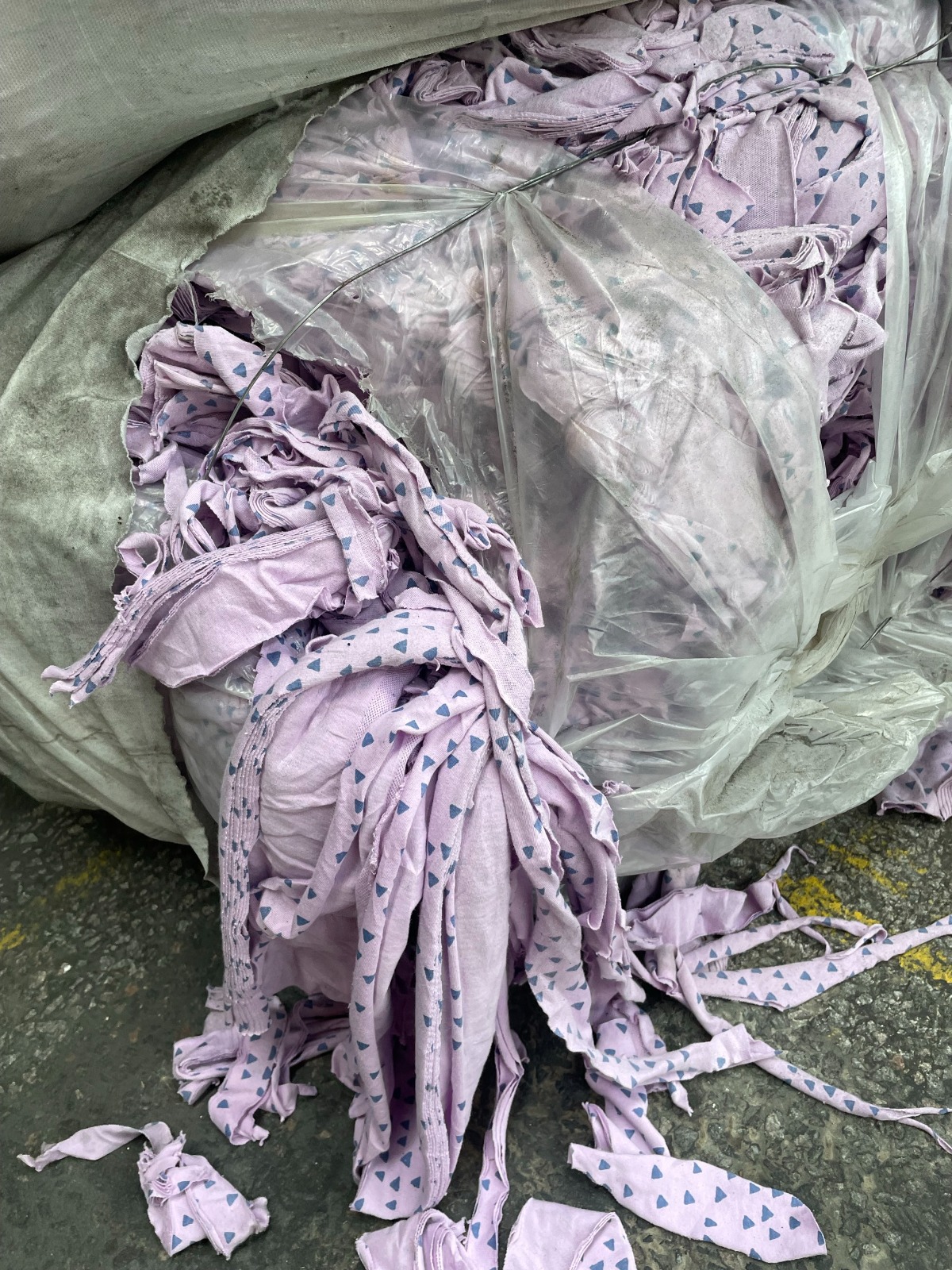
Connect with a wide network of vetted recyclers for your textile waste. Find the best buyers and optimise your sales on the Eslando platform.

Leading collectors, recyclers and manufacturers use Eslando to source and trade textile waste feedstock with greater transparency, traceability and speed.
By igniting a circular transformation in the textile industry and closing the loop of textile waste we can create a more circular textile industry.
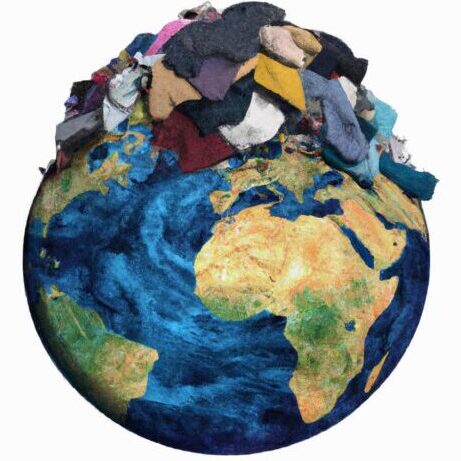
Every year, 98 million tonnes of textiles are discarded into landfills or incinerators and less than 1% are recycled back into new clothing. This makes the textile industry responsible for 10% of global emissions.
While the industry continues to exploit our planet for more resources, this wasteful practice contributes to climate change, water pollution and habitat destruction.
We can change this by creating a data rich recycling system which connects right waste with the right recyclers. We can empower stakeholders to increase the amount of textiles they recycle, which can in return benefit brands with a new source of sustainable raw material.